West Newport at a glance: low ground, named communities and associations
West Newport is a named part of Newport Beach, and the city's zoning area maps give it sheet A-5. Its edges are informal. The zoning sheet shows a Banning Ranch label beside its edge, and the city's setback maps show names such as Newport Shores and Lido Sands. When you call (949) 670-0939, give your street and the nearest cross street instead of a neighborhood label.
Low elevation
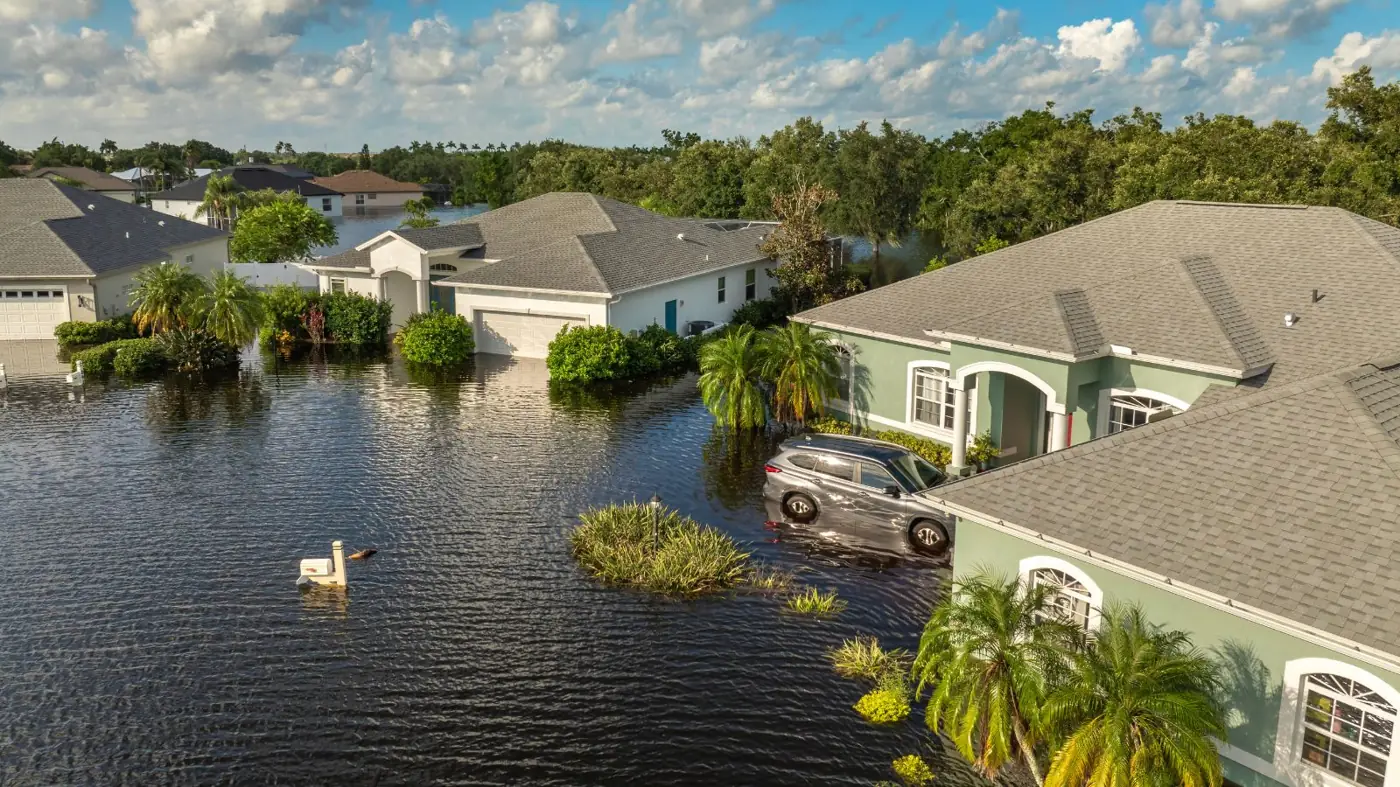
The city's storm flooding page describes the low-elevation parts of Newport Beach as West Newport, the Balboa Peninsula and Newport Bay. That is a statement about ground height. It tells you to take water from outside seriously, but it does not tell you what happened at your address or what any map says about your lot.
Tide notices
The city's king tide advisory says evening high tides may cause localized flooding in low-lying harborfront neighborhoods, and it names Newport Island, which the city's association map lists under West Newport. For harbor-front property, the city suggests seawall plugs and sandbags in the weak spots.
Named communities
The city's association map lists Newport Shores Community Association, Lido Sands Community Association, Newport Island Incorporated and Balboa Cove Community Association. The city's evacuation-zone list names Balboa Coves, Lido Sands, Newport Island and West Newport Beach together in one zone.
Condos and associations
The same map lists Newport Condos Association. Where a building has an association, it may control the roof, shared plumbing, garage and common walls. Ask management who handles what before you hire anyone or move anything.
Citywide, a regional hazard-mitigation annex says significant portions of Newport Beach sit within both the 100-year and 500-year FEMA flood zones. The zone for a West Newport address is not verified here. Check the city's flood zones map and the FEMA Flood Map Service Center for your address, and do not assume your lot is in or out.
When water is spreading in West Newport: do this first
First work out where the water is coming from. A burst line or a failed heater is clean supply water, and you stop it at the valve. Water coming in from the street or the bay is different, because it can carry contamination. Do not wade through floodwater, and do not touch electrical outlets or panels while standing in water.
Dial (949) 670-0939, describe the leak and the location, and ask what to do before work starts. Lift belongings off wet floors, keep people and pets out of affected rooms, and photograph everything before moving it. If you smell gas or see sparking, leave and call 911 or the gas utility first.
If you are driving through flooded streets, go slowly. The city asks drivers to do so because wakes push water into property. For sandbags, the city lists prefilled bags at the City Corporation Yard on Superior Avenue and unfilled bags at city fire stations.
Water coming in from outside or from a pipe? Call and describe it
Call (949) 670-0939, give the street, say where the water is and what it touched. Stay out of floodwater.
Steps to take before restoration starts
Preparation looks a little different when water may have come from outside. These steps keep you safe and keep your records clear.
Stay out of dirty water
If water came from the street, the bay or a backed-up drain, treat it as contaminated. Do not wade in, and leave sewage or floodwater to professionals.
Photograph the waterline
Capture marks on walls, garage doors and furniture legs, plus wide and close shots of each room. A visible line records how high the water reached.
Move valuables up
Lift documents, electronics and small furniture to dry shelves or an upper floor. Leave heavy items where they stand.
Check the garage carefully
If the garage floor is wet, keep people out until power to wet outlets is confirmed safe. Do not use a wet outlet or a garage door opener while standing in water.
Tell management
Condo and association residents should notify management in writing, with photos. Renters should notify the landlord the same way.
Note what you see
Write down the time you noticed the water, where it entered and what it touched. Keep receipts for anything you buy for the cleanup.
Tide water, street water and ground-level spaces: what depends on your building
Low ground changes the questions you ask. These are the angles to think through for a West Newport address, with the honest note that the answer depends on your building.
Street and tide water
Water that comes in from outside is usually treated as Category 3, meaning porous materials like carpet and drywall are often removed. Which materials go depends on readings and on how long the water sat.
Garages and ground-level rooms
If your building has a garage or ground-floor room at street level, that is where outside water gets in first. Check the door, the threshold and any drain. What sits at ground level in your building depends on its design.
Slabs and subfloors
A concrete slab holds moisture and dries slowly. Some buildings have raised floors with a space below instead. Ask your plumber or management which you have, and let moisture readings decide how long drying takes.
Association buildings
Shared roofs, walls, plumbing risers and garages mean one failure can affect several owners. Tell management first, and ask who arranges and pays for common areas.
Heavy rain and drainage
The city's flood page says every few years brings intense sustained rain, and that added paving increases runoff. The listed flood years of 1969 to 2005 are citywide, not specific to West Newport. Read them as a reminder to check gutters, drains and door thresholds.
Sewer and drain backups
If a drain or toilet is backing up, stop using water and keep out of the area. Sewage is for professionals. If the problem might be the city main, call the city line, (949) 644-3011.
Extraction and drying where the floor is a slab or sits at ground level
Extraction units remove standing water first. Moisture meters then read walls, baseboards and flooring, and a thermal imaging camera helps find wet areas behind surfaces. Air movers and LGR dehumidifiers run together, and readings are logged every day until materials match a dry reference.
Where water came from outside, expect more removal. Carpet, padding and the lower part of drywall are commonly cut out because they hold contamination, and surfaces left in place are cleaned and dried. Concrete and framing are dried in place, and they can take several days.
The EPA's mold guidance points to 24 to 48 hours as the time to get wet areas and items dry. Visible mold is a different problem from wet drywall, so see mold remediation if it appears after drying. The ANSI/IICRC S500 standard defines the water categories and drying classes, and you can ask any company whether it works to it.
Documenting the loss, flood policies and who to notify
Ask your insurer which parts of the loss your policy treats as covered. A standard homeowners policy leaves flood damage out. Flood coverage is a separate policy, such as one through the National Flood Insurance Program, which generally takes effect 30 days after purchase. Whether your loss is flood or a plumbing failure depends on where the water came from, so record that carefully.
Photos, moisture readings and a written timeline help document the loss. The NFIP claims and policy line is 1-800-638-6620, and the California Department of Insurance help line, 1-800-927-4357, handles questions or disputes with your insurer. Ask your insurer about deadlines instead of guessing.
Notify management or your landlord for shared buildings. For the public side, such as a street leak or a sewer main, the city's water and sewer emergencies line is (949) 644-3011. The city Building Division can tell you whether your repair needs a permit.
Services that fit low-lying and ground-level water problems
Because outside water and ground-level spaces drive most of the questions here, these service pages are the best match.
Outside water
Water from streets, tides or heavy rain is covered under flood damage restoration, including contaminated-water handling.
Under the floor
When moisture rises from a concrete slab or a hidden line, slab leak water damage explains how it is found and dried.
Rain
Water driven by a heavy storm is the subject of storm water damage, which covers entry points and drying.
Backups
Drains and toilets that flow the wrong way are addressed in sewage backup cleanup. Keep out of the area until professionals handle it.
Standing water
When water has pooled, emergency water removal explains extraction before it spreads further.
Also see these Newport Beach neighborhoods and the city
This is one neighborhood page. For the citywide view, read about water damage restoration in Newport Beach or the service area page. Harbor and tide context also shapes the Balboa Peninsula and Balboa Island pages, which are worth a look if your property sits next to the water.
West Newport Questions
Is emergency water removal available in West Newport?
Phone (949) 670-0939 with the street and the damage. This page makes no promise about hours or when work begins, so while you wait, stop any clean supply leak at the valve, keep out of floodwater and lift belongings off wet floors.
Who do I call for water in the street or a city sewer line near me?
The city's water and sewer emergencies line is (949) 644-3011, and the city's Report a Problem page and MYNB app also take reports. Call that line for the public side and (949) 670-0939 for water that reached your property.
Will insurance cover water that came in from the street or the bay?
Standard homeowners insurance does not cover flood, and flood needs a separate policy. Check your policy and ask your insurer, and note that an NFIP policy generally takes effect 30 days after purchase. A plumbing failure may be treated differently from flood.
Does the city's low-elevation label mean my home is in a flood zone?
No. The label describes a general area, not your lot. The zone for your address is not verified here, so check the city's flood zones map and the FEMA Flood Map Service Center.
Where can I get sandbags near West Newport?
The city lists prefilled sandbags at the City Corporation Yard, 592 Superior Avenue, and unfilled sandbags at city fire stations. It also suggests that owners next to the harbor consider seawall plugs. Sandbags slow water, they do not stop damage already inside.
The garage floor was wet but nothing looks damaged. Should I worry?
A slab can look dry while holding moisture, and stored boxes, drywall and trim can wick water. Moisture readings settle the question. Dry items within 24 to 48 hours per the EPA to limit mold.