What We Dispatch For
Each service has its own page because each one answers a different question. If water is still on the floor, start with emergency water removal. If the water is stopped and you are worried about what comes next, water mitigation and drying come first.
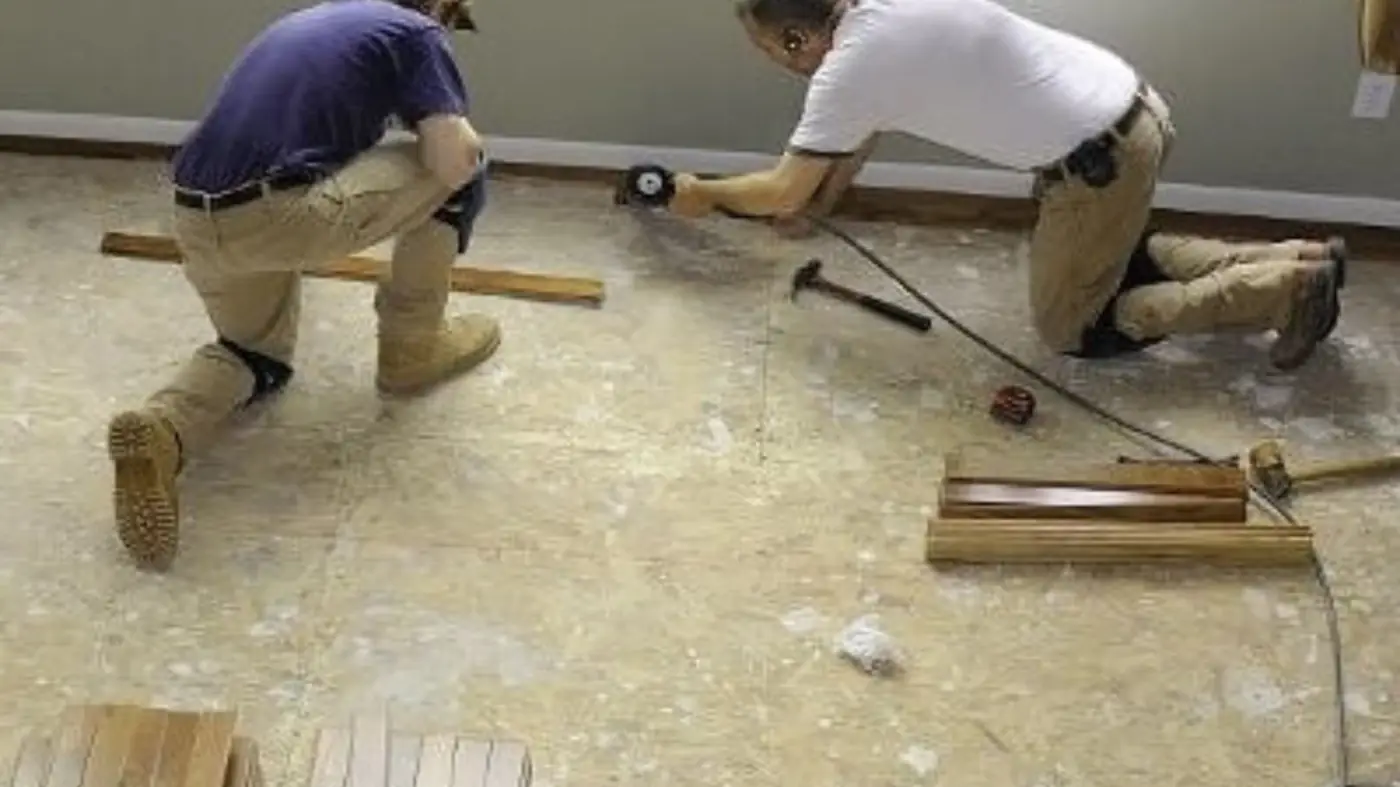
Water Damage Repair
Rebuilding drywall, flooring and finishes once the structure is dry.
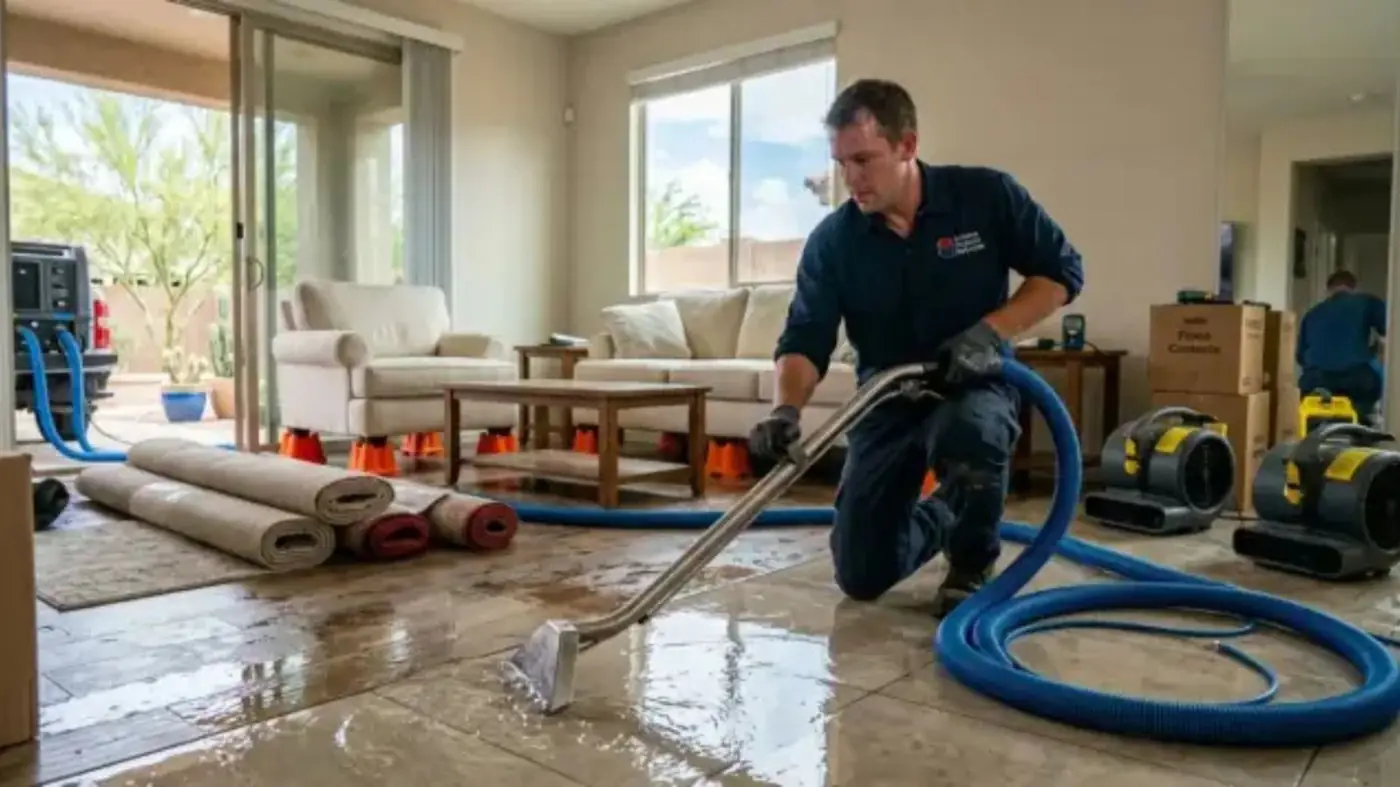
Emergency Water Removal
Pumps and extraction units pulling standing water out right now.
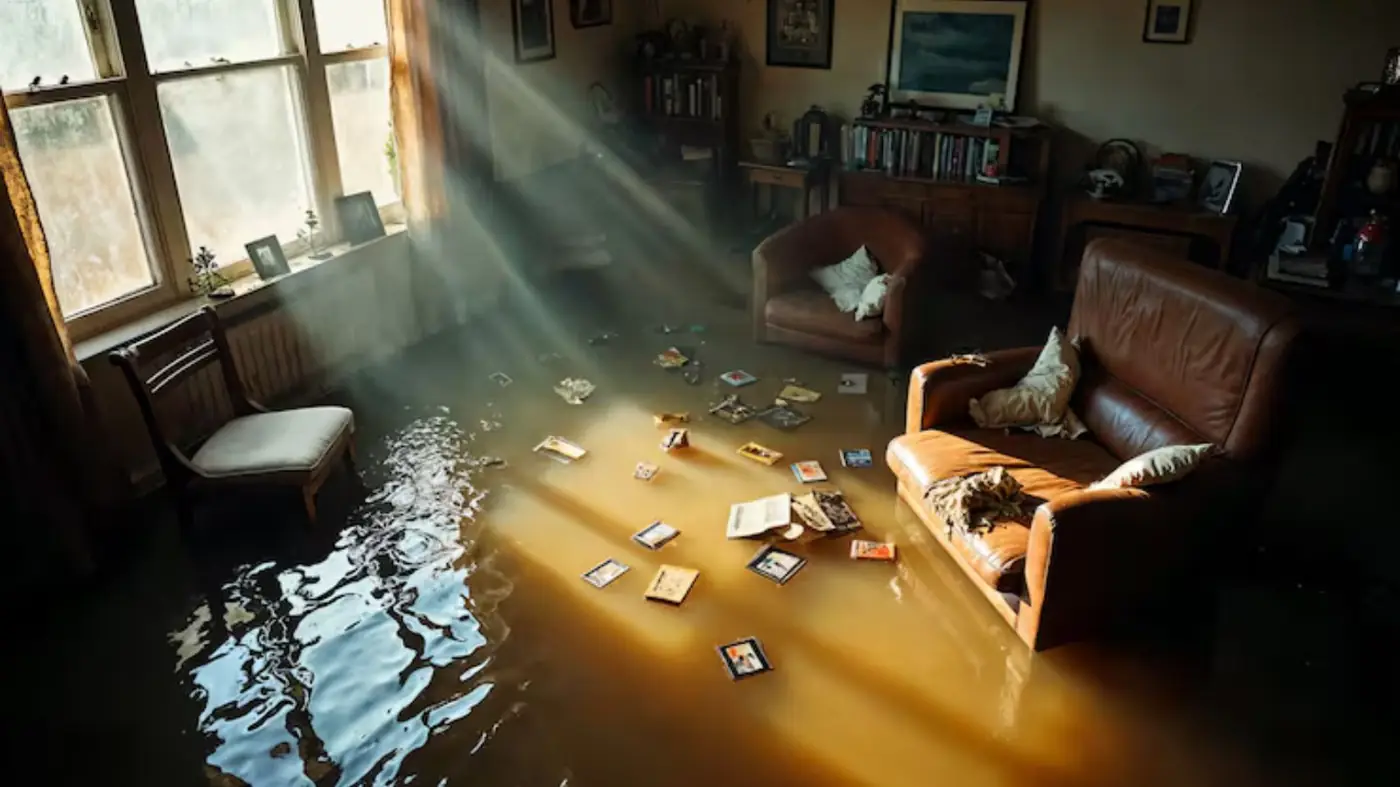
Flood Damage Restoration
Storm, tidal and groundwater flooding, including basements and sewage backups.
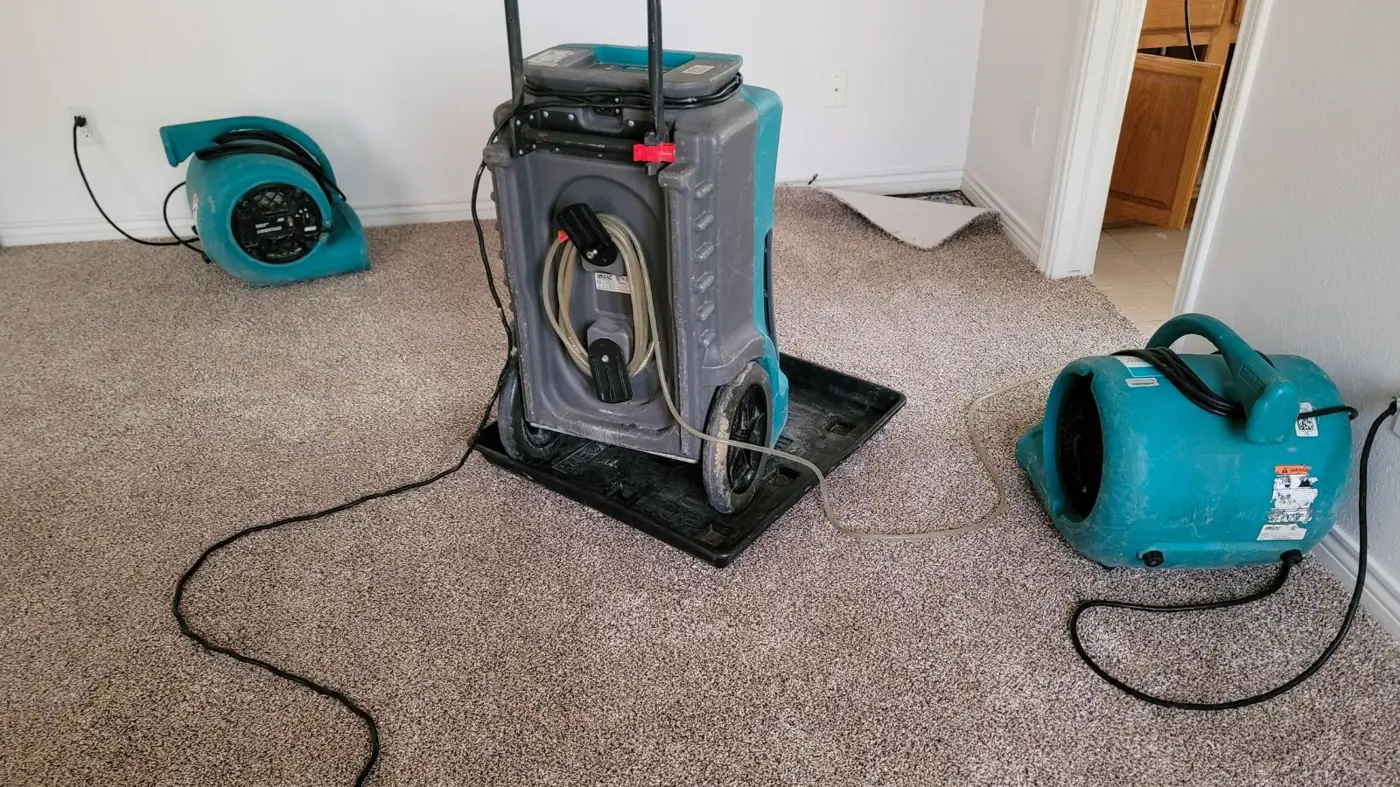
Water Mitigation
Stopping the damage in the first 24 to 72 hours with drying and moisture mapping.
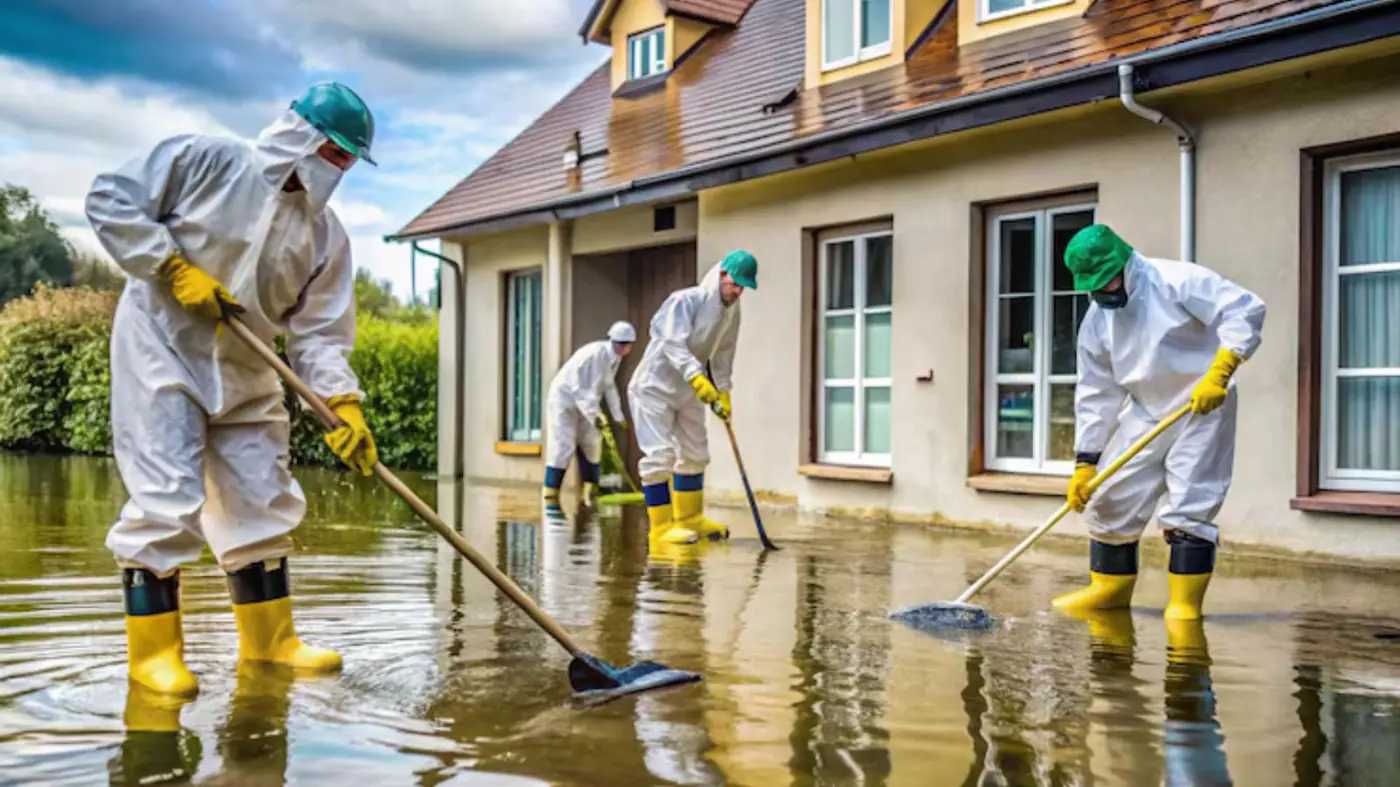
Water Damage Cleanup
Removing wet debris, sanitizing surfaces and controlling odor after the source is stopped.
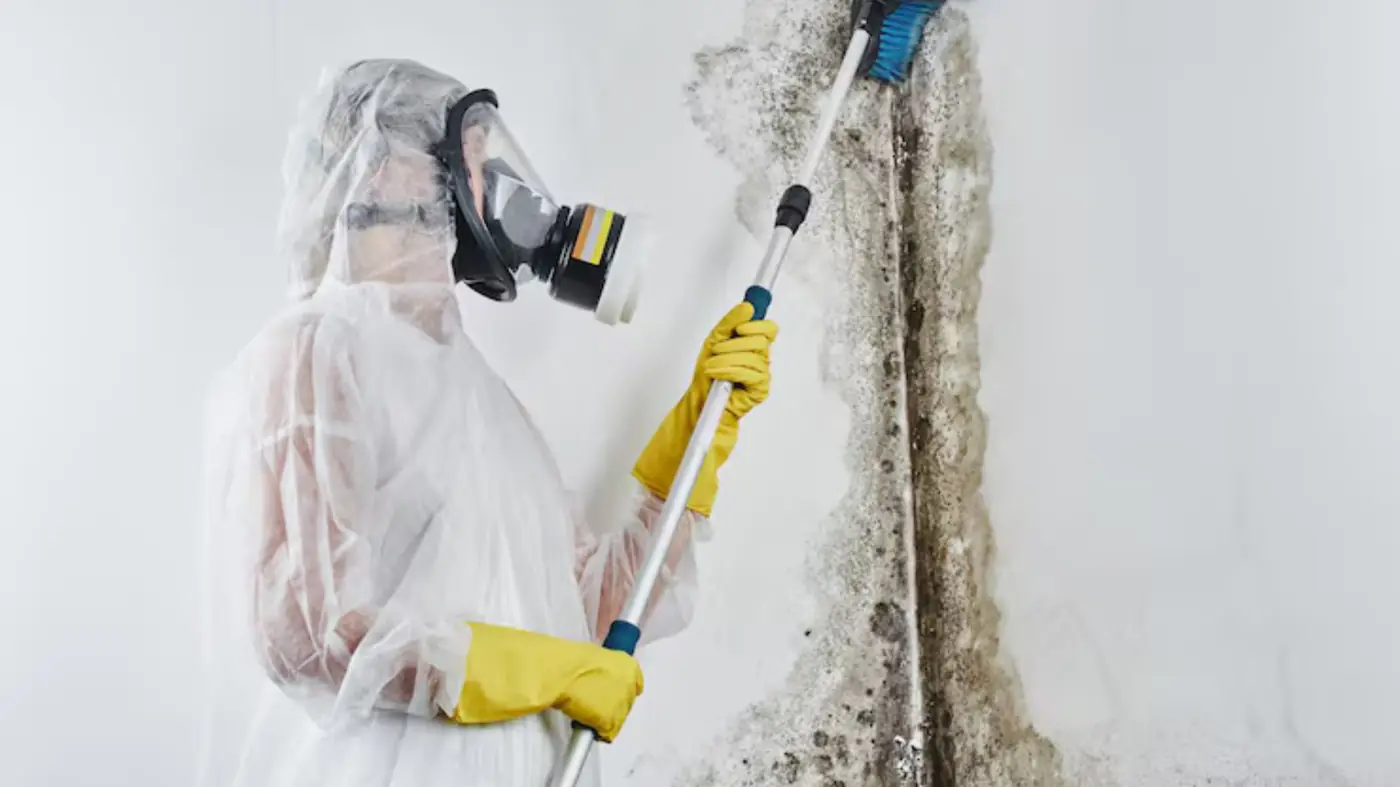
Mold Remediation
Containment, removal and drying after moisture feeds mold, following S520 practice.
Which Service Fits Your Situation
Think about the stage you are in. Stopping and removing water is the emergency phase. Drying the structure comes next, followed by cleanup and sanitizing, and finally rebuilding with water damage repair.
Flooding from a storm, a king tide or a sewer line sits in its own category because the water may be contaminated, which is why flood damage restoration has its own page. Mold that has already formed after a leak is covered by mold remediation, and the fix always includes dealing with the moisture that fed it.
Most jobs touch more than one service. A burst pipe may need extraction, drying, cleanup and repair, all coordinated through the same call. The dispatcher builds the scope with you so you are not choosing between pages while water spreads.
Water Spreading Right Now?
Call the 24/7 dispatch line and describe what you see. Scope and price are explained before work starts.
☎ Call (949) 670-0939