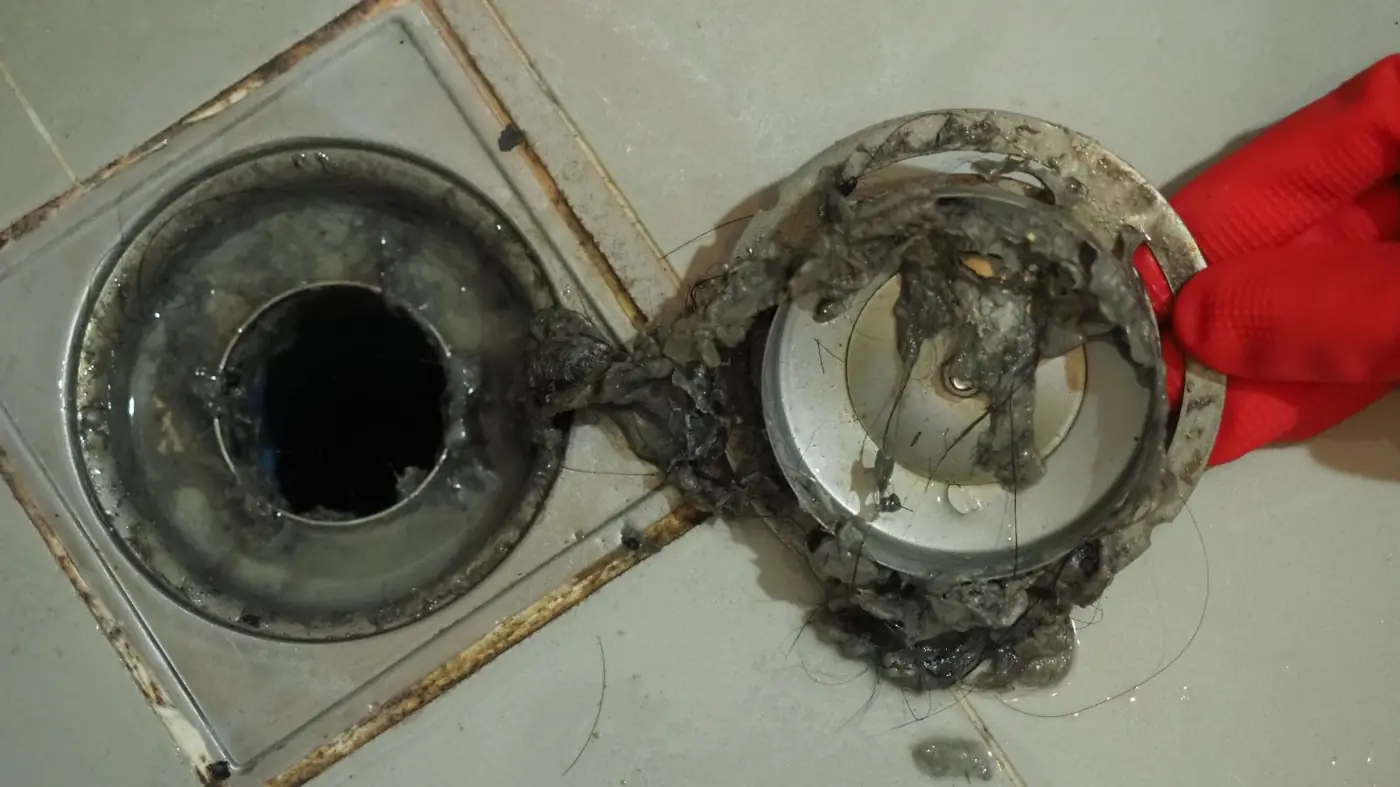
When sewage is coming up through a drain
Sewage in the house is a contamination problem first and a cleanup job second. Dispatch for sewage backup cleanup runs 24/7. Stop using every toilet, sink, shower and washer, keep people and pets out of the room, and if you smell gas or see water near electrical equipment, leave and call the utility or 911 before you call us.
Sewage backup cleanup means pulling out Category 3 water, removing the materials that soaked it up and sanitizing everything the water touched so the space can be dried and rebuilt. A same-day response is available when crews are free. No arrival time is promised, but the dispatcher walks you through what to do while you wait.
Sewage on the floor? Call now
Late-night calls are answered. Scope and price are explained before work starts.
What a sewage backup is and how it happens in Newport Beach homes
A backup happens when wastewater cannot leave the building and comes back up through the lowest opening it finds. That is usually a floor drain, a tub or shower, a toilet or a cleanout. Grease, roots, a collapsed section of pipe or a blockage in the sewer main can all cause it.
Aging lines are one common culprit. The city's Housing Element says most homes here were built before 1980, so original or decades-old plumbing is a real possibility in many neighborhoods. A plumber's camera inspection of your lateral shows which case you have. The cleanup work inside the house is the same either way.
What you see and what it means
Backups seldom begin with a flood. They begin with small signs that something downstream is blocked.
Gurgling drains
Air is being pushed back through a trap as water struggles to move. It often appears in a tub or floor drain when a toilet is flushed or the washer empties.
Several fixtures slow at once
One slow sink is usually a local clog. Slow drains across the whole house point at the main line.
Water at a floor drain or cleanout
Wastewater is already returning. Stop all water use now, because every flush sends more down the same blocked line.
A toilet that bubbles when something else runs
Shower or laundry water finding its way up a toilet means the pipe below is blocked.
Sewer smell with no visible water
It can be a dry trap, or it can be wastewater under flooring or inside a wall. Moisture readings and a thermal imaging camera settle which.
Sewage backup safety: the first hour
Treat everything the water touched as contaminated. Do not wade through it, and do not use a household vacuum or wet vac on it, since those are not made for sewage and are hard to clean afterward.
Stop all water use at once. If you need to reach the electrical panel and the floor in front of it is wet, leave the power alone and call the electric utility or 911. Switch off the affected area only when the panel and the path to it are dry. After a gas smell, sparks or any electrical risk, the utility or 911 comes first and the dispatch line (949) 670-0939 comes second.
What to do while you wait
These steps limit the spread without putting you in contact with the water.
Stop every drain
No flushing, laundry, dishwasher or showers until the line is cleared.
Keep everyone out
Children and pets stay in dry rooms. Shut the door to the wet room so nobody tracks water through the house.
Lift only what is safe to lift
Move dry valuables and papers off the floor if you can do it without stepping in the water. Leave soaked items where they are.
Photograph from the doorway
Take dated photos of the water line and affected items for your insurance claim.
Wash after any contact
Use soap and clean water on skin that touched the backup, and change out of wet clothing.
Who to call first: the city, a plumber or a cleanup crew
The city Utilities Department oversees the water, sewer, storm drain and tidal valve systems, so it is the first call when the sewer main in the street may be involved. Its water and sewer emergencies line is (949) 644-3011, and after hours the city lists the Police Department line at (949) 644-3717. Those are city numbers, not our dispatch line.
The city also takes reports online and through its MYNB phone app. If neighbors have the same trouble, say so when you call, since that points toward the main. If only your building is affected, a plumber has to clear the line. Cleanup is a separate job from clearing the pipe, so the usual order is utility or plumber for the cause, then a crew for what the water left.
How a sewage backup cleanup is carried out
A visit begins with a walkthrough, moisture meter readings and a written scope. Photos and moisture logs go in the file to support an insurance claim, and scope and price are explained before work starts. Ask any company whether its crews work to the ANSI/IICRC S500 standard, the published guide that treats sewage as Category 3.
Contain and protect
Containment barriers go up and crews put on gloves, respirators and boots before anything is touched.
Extract the water
Extraction units pull standing sewage, and contaminated material is bagged and removed separately.
Remove what cannot be cleaned
Carpet, pad, soaked drywall and insulation are cut out, because porous material cannot be washed clean.
Sanitize and dry
Hard surfaces get detergent cleaning and antimicrobial treatment, then air movers, LGR dehumidifiers and HEPA air scrubbers run until readings show the structure is dry.
What is removed and what is cleaned after sewage
Category 3 water changes the usual save-or-replace calls. These are typical outcomes, and moisture readings make the final decision.
| Material | Usual outcome | Reason |
|---|---|---|
| Carpet and pad | Removed and discarded | Fibers and foam hold contamination that washing does not reach. |
| Drywall and baseboard | Cut out to above the water line | Paper facing and gypsum soak up water and cannot be sanitized. |
| Wall and attic insulation | Removed if touched | Wet insulation stays wet against framing. |
| Tile and sealed hard floors | Cleaned and sanitized | Non-porous surfaces take detergent and antimicrobial treatment, though water damage cleanup of grout and subfloor edges still matters. |
| Concrete slab | Cleaned, sanitized and dried | The slab is porous at the surface, so it gets treated and dried before new flooring. |
| Upholstery and mattresses | Usually discarded | Foam and fabric cannot be reliably decontaminated. |
The EPA says porous items such as carpet and ceiling tile may need to be thrown away.
Mistakes to avoid after a sewage backup
The EPA says to call a professional for sewage or other contaminated water. Most expensive errors come from treating a Category 3 loss like an ordinary spill.
- Running water to flush the line: more use pushes more sewage out of the same opening.
- Treating bleach as the cure: the EPA says not to routinely use bleach or other biocides.
- Walking through to rescue belongings: foot traffic carries contamination into dry rooms.
- Leaving porous materials in place: carpet and ceiling tile may need to be discarded.
- Waiting a few days: the EPA advises drying water-damaged areas and items within 24 to 48 hours to prevent mold growth.
If you must be in the area briefly, the EPA lists an N-95 respirator, gloves and goggles without ventilation holes. That is a minimum for a short visit, not a work kit. Should mold appear after the drying stage, mold remediation is a separate process built on the S520 standard.
What Affects The Price Of Sewage Backup Cleanup
Pricing follows the work the water created, and a sewage loss is always handled as contaminated.
Affected area
A single bathroom is a different job from a hallway, bedrooms and a garage.
Materials removed
Carpet, pad, drywall height and insulation each carry a different removal and disposal effort.
Containment and protection
Barriers, protective gear and separate disposal add setup that clean-water jobs do not need.
Sanitizing and drying days
Antimicrobial treatment, air scrubbers, air movers and dehumidifiers run for the days the readings require.
Rebuild scope
Replacing flooring, drywall and paint is a separate scope from the cleanup itself. Clearing the pipe is a plumber's job and is not part of the cleanup price.
Sudden and accidental water damage is often covered, while gradual leaks and neglect often are not. Whether a drain or sewer backup is covered depends on the wording of your policy, so ask your insurer whether it includes water backup coverage before you assume either way. Flood is a different matter, because standard homeowners insurance does not cover flood and the California Department of Insurance help line is 1-800-927-4357 for questions or disputes.
Want your real number? Call (949) 670-0939 and the scope and price are explained before work starts.
Newport Beach Note: shared buildings and shared lines
The Housing Element puts about 34.5 percent of the city's homes in multi-unit buildings, and 67.9 percent of renters live in them. In a building, a backup on a lower floor may involve a line serving several units, depending on how it was built. Tell your manager or HOA right away so the cause is traced and the right party is called.
The same dispatch line serves nearby Costa Mesa and Tustin. If clean water is also standing in the unit, emergency water removal is handled in the same visit.
Sewage Backup Cleanup Questions
Is emergency sewage backup cleanup available in Newport Beach?
Yes. Dispatch answers day and night, weekends included, and a same-day response is available when crews are free. No arrival time is promised. If there is a gas smell or an electrical risk, call the utility or 911 first.
Should I call the city or a cleanup company first?
Call the city Utilities Department if the sewer main may be involved, and a plumber if only your own line is blocked. Call the dispatch line for the contaminated water and materials inside, since that work is separate from clearing the pipe.
Can I clean up a small sewage spill myself?
The EPA says to call a professional for sewage. A small area still carries Category 3 contamination, and a mop and household cleaner do not reach what soaked into porous materials.
Can carpet be saved after a sewage backup?
Usually not. Carpet and pad are porous, and sewage-soaked fibers cannot be reliably decontaminated. Hard floors and sealed surfaces are the ones that are cleaned and kept.
Will my insurance pay for a sewer backup?
It depends on your policy wording. Ask your insurer whether water backup is covered, and photograph the loss before anything is removed. Photos, moisture logs and scope notes from the visit support the claim.