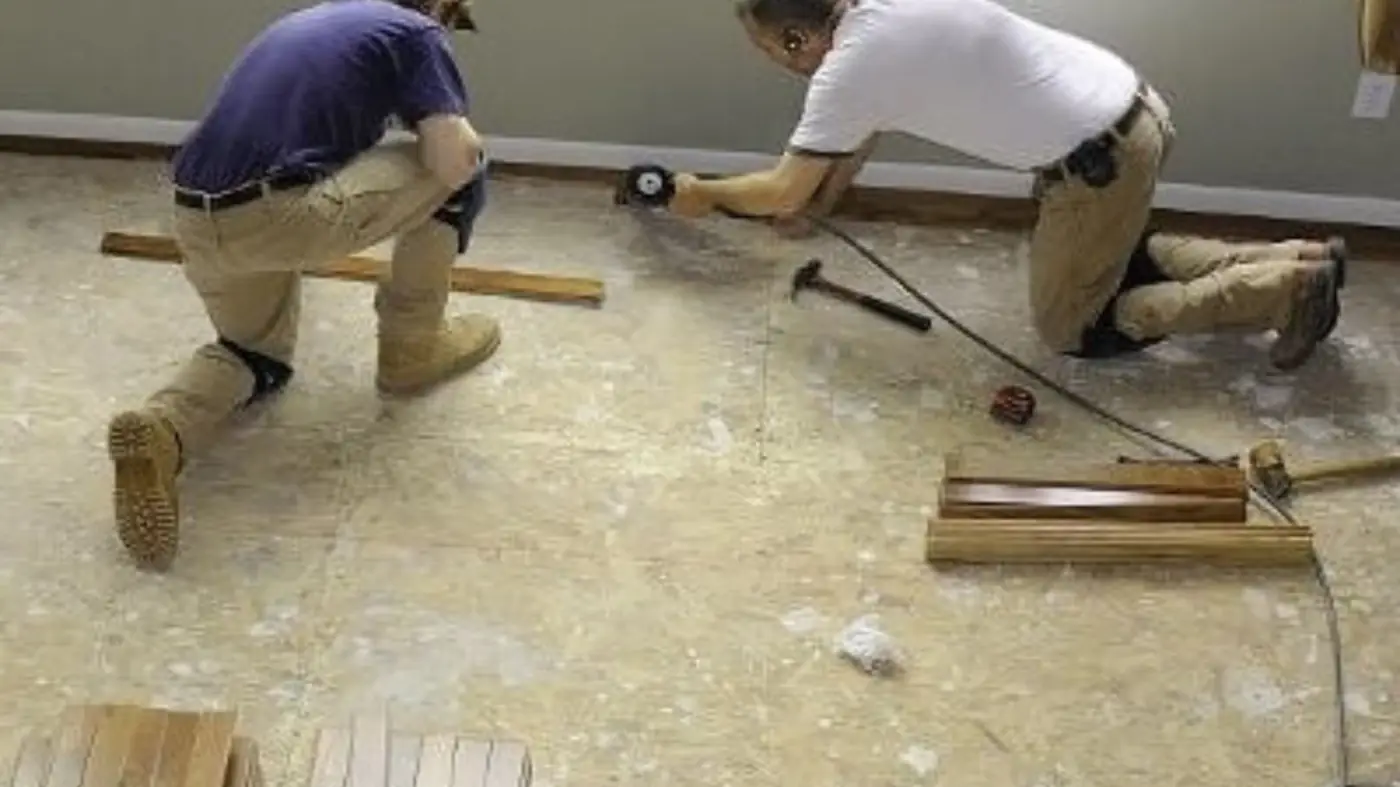
What Water Damage Repair Covers After The Drying Is Done
Water damage repair is the rebuilding stage. Crews cut out and replace the drywall, insulation, flooring, trim, cabinet parts and paint that drying could not save. It begins only when moisture meter readings match a dry reference and the leak source has been fixed.
Callers to this line phone about three situations more than any others: a roof leak that stained a bedroom ceiling, a ceiling that sagged and finally let go, and an air conditioner condensation line that backed up into a hallway. Each one ends in the same place, a damaged surface that has to be rebuilt to look and perform like the rest of the house.
Ready to scope the rebuild?
Call (949) 670-0939 for same-day response when available. The scope and price are explained before work starts.
Why Older Newport Beach Homes Need More Than A Patch
The city's Housing Element says about 20 percent of homes were built before 1960 and 41.3 percent between 1960 and 1979. It also says housing over 30 years old typically needs some major rehabilitation.
In practice, opening a wall for a leak often reveals an older supply line, a corroded shutoff valve or a soft subfloor beside the damaged spot. Ask for a written scope that separates the leak repair from anything else found, so you choose what gets done now.
Signs The Damage Needs Repair, Not Just Paint
A moisture reading and a firm press with a thumb settle most of these questions.
Ceiling stain that returns
A brown ring that bleeds through two coats of paint means moisture is still arriving or the board stayed damp. Find the source before painting again.
Soft or crumbling drywall
Gypsum board that gives under a finger has lost its strength. It comes out, along with any wet insulation behind it.
Bubbling or peeling paint
Blisters mean water got under the film. The surface may be dry now, but the paint and the paper face have to be removed and recoated.
Cupped or buckled flooring
Board edges that rise above the center, or planks that lift off the subfloor, point to moisture from below or above. Drying and a flatness check come first.
Swollen cabinet bases
Particleboard cabinet toe kicks swell like a sponge and rarely shrink back. A kitchen sink leak often ends with a new base section.
How A Repair Moves From Dry Framing To Finished Paint
Skipping the first step is the usual reason a repair fails within a season.
Confirm dry
A moisture meter and, where needed, a thermal imaging camera check framing, subfloor and wall cavities against a dry reference reading.
Cut out and open
Wet drywall, insulation and flooring are cut back to dry, firm material, and the edges are squared so the patch lands on framing.
Rebuild the surface
New board goes in, then tape, three coats of joint compound, sanding and a texture match to the surrounding wall or ceiling.
Prime and finish
A stain-blocking primer seals the repair before paint, then trim, baseboard, flooring or cabinet pieces are set back.
Patch, Section Replacement Or Full Rebuild
Most jobs fall between a patch and a full rebuild. Each choice has a trade-off.
| Condition | Usual repair | Trade-off |
|---|---|---|
| Dry, firm stain on a ceiling | Stain-blocking primer and a topcoat | Lowest effort, but it only works once the leak is fixed and the board is dry |
| Soft drywall panel under 4 feet across | Cut out, patch with new board, tape, texture | Texture matching takes skill and a feathered edge across the ceiling |
| Wet insulation behind a wall | Remove and replace insulation, then close the wall | Opens more wall than the visible stain suggests. See water mitigation for the drying step. |
| Cupped hardwood or buckled laminate | Dry first, then sand and refinish or replace boards | Sanding and finishing too early locks the damage in |
| Swollen particleboard cabinet base | Replace the base or section | Face frames may be saved, but a new section can differ in color |
| Visible growth on the back of the board | Contain and remove first, then rebuild | Needs mold remediation before any new drywall goes up |
A written scope lists which row applies to each room, so the price you hear matches the work you see.
Ceiling and Wall Water Damage Repair
Ceiling and wall water damage repair starts with one decision: open it or paint it. A ceiling must be opened when the drywall sags, feels soft under a finger press, or sat wet after a roof leak or an overflowing tub. A collapsed ceiling has already made the decision. The crew cuts back to dry framing, squares the opening so it lands on joists, and hangs new board.
A stain alone is different. If the meter reads dry, the board is firm and the leak is fixed, the stain is cosmetic. It still bleeds through ordinary paint, so a stain-blocking primer goes on first, then the topcoat. If the ring returns after priming, moisture is still getting in. That calls for a leak search, not a third coat.
New drywall is taped, coated with joint compound in three passes and sanded between them. The texture is then matched to the surrounding surface, whether orange peel, knockdown or smooth, and the whole ceiling or wall plane is primed so the patch does not flash through the paint. A condensation line that backed up above a hallway ends the same way: clear the line, remove the wet board, rebuild.
Hardwood Floor Cupping After A Leak
Hardwood absorbs water through its underside and edges, so boards swell unevenly. Cupping is when the edges rise higher than the center. Crowning is the reverse, with the center higher, and it often shows up when a cupped floor was sanded flat while still wet.
The floor has to dry before anyone sands it. Drying mats, air movers and dehumidifiers pull moisture out, and readings are compared to unaffected boards in another room. This can take longer than the walls do. Refinishing too early fails because the boards shrink as they finish drying, which opens gaps and splits the new finish. The drying stage itself is covered under water mitigation.
What A Repair Assessment Visit Covers
A visit has three parts: a walkthrough of every affected room, moisture readings on walls, ceilings and floors, and a written scope. The photos, moisture logs and scope notes also serve as documentation for an insurance claim.
You get the scope and price explained before work starts. If the readings show the area is still wet, the first recommendation is drying, not rebuilding.
What Affects The Price Of Water Damage Repair
Repair prices depend on how much material comes out and how much of it must match what stays.
Affected area
A single ceiling panel and a whole room of wall and floor are different jobs. Square footage of removed drywall and flooring drives labor and material.
Materials
Standard drywall, moisture-resistant board, solid hardwood and engineered flooring all price differently. Matching an older finish can limit the options.
Height and access
High or vaulted ceilings need scaffolding and more hands. A cramped attic or crawl space slows the work.
Texture and paint matching
Blending a texture across a large ceiling takes more passes than a small wall patch. A full-plane repaint often looks better than a spot.
Drying days beforehand
If equipment still has to run, the rebuild waits. Longer drying adds days before the first board goes up.
For insurance, sudden and accidental water damage is often covered, while gradual leaks and neglect often are not. Check your policy and ask your insurer what applies to your loss.
Want your real number? Call (949) 670-0939 and the scope and price are explained before work starts.
Newport Beach Note: Permits And Service ZIPs
Some repairs may need a permit, especially when walls are opened or systems are moved. Ask the city Building Division whether your repair needs a permit before work starts, since permit processing and inspection scheduling are on its pages.
We serve Newport Beach ZIP codes 92660, 92661, 92662 and 92663. If water is still spreading, emergency water removal comes first, and the Costa Mesa page covers nearby work in that city.
Water Damage Repair Questions
Do I have to replace drywall after a water leak?
Not always. Dry, firm board with only a stain can be sealed and painted. Drywall that is soft, sagging or crumbling is replaced, along with any wet insulation behind it. A moisture meter reading decides.
My ceiling has a brown stain. Do I need to open it?
Open it if the board feels soft, bulges or the stain keeps returning after priming. If the reading is dry and the board is firm, a stain-blocking primer and paint can be enough. A roof leak that has not been fixed makes any repair temporary.
Can you repair a ceiling that has collapsed?
Yes. The crew first checks for hidden moisture above, then cuts back to dry framing, replaces insulation if needed, hangs new board and matches the texture. Make sure the roof or plumbing source is fixed first.
A condensation line backed up and soaked my ceiling. What happens next?
The line is cleared, the wet drywall and insulation are checked with a meter, and damaged sections come out. After drying, the ceiling is rebuilt and primed. If growth appears, mold remediation comes before closing the ceiling.
Do water damage repairs need a permit in Newport Beach?
Some do. Ask the city Building Division whether your repair needs a permit. A cosmetic patch is different from opening walls or changing plumbing or electrical work.
When can my hardwood floor be sanded after a leak?
Only after moisture readings are stable and match unaffected boards. Cupped floors sometimes flatten as they dry. Sanding early often leaves crowning or gaps.