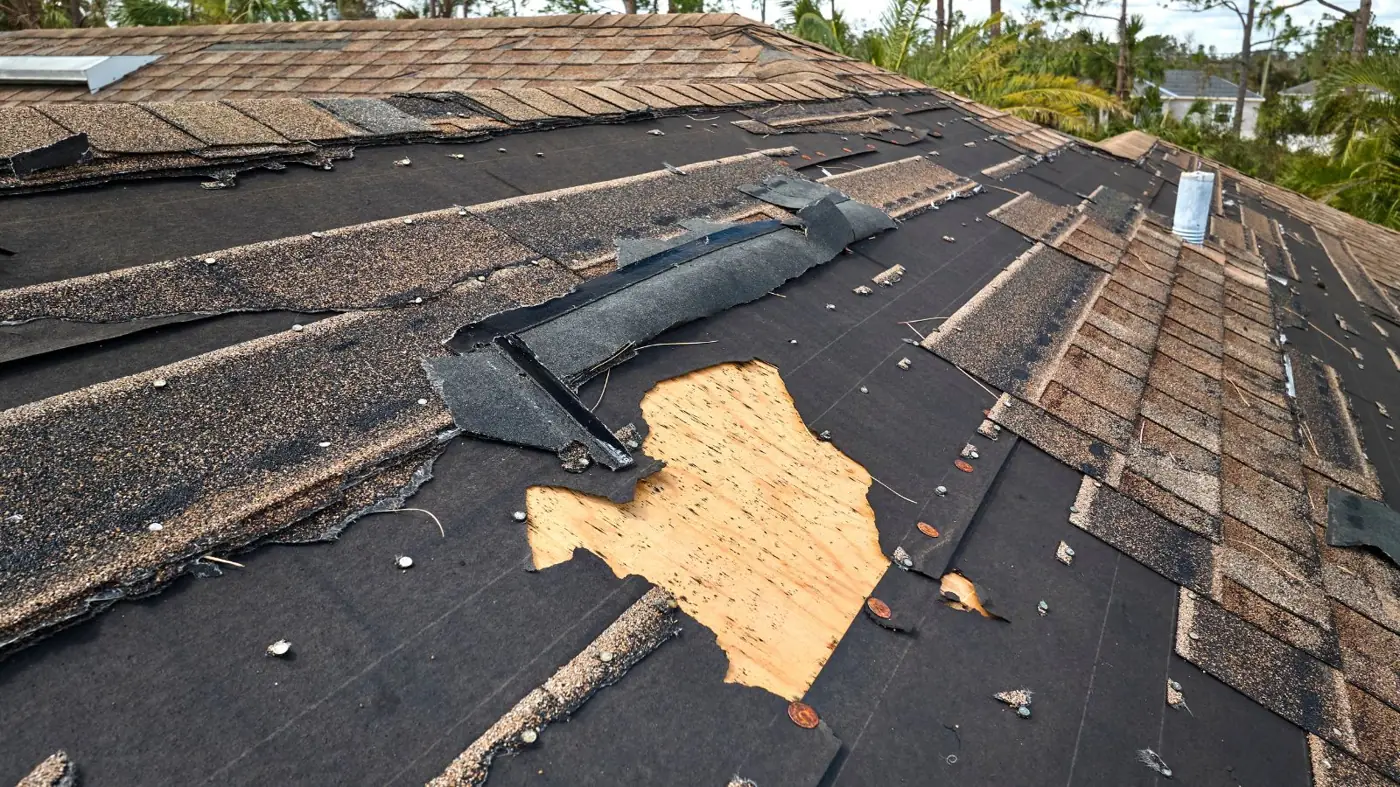
When a storm is pushing water in from several places
When water is coming in at more than one spot, start with safety and rank the rest. Dispatch for storm water damage is open 24/7, and the dispatcher helps you decide what comes first while you wait. Move people and pets to dry rooms, keep out of any water near outlets, and if you smell gas or see downed lines, call the utility or 911 before you call us.
Storm water damage is the combined interior damage from one weather event: water that arrived through windows, doors, the garage, the roof or the ground at once. A same-day response is available when crews are free, and each entry point is assessed on its own.
Storm soaked the house? Call now
Evenings and weekends are covered. Scope and price are explained before work starts.
Storm damage, a roof leak and a flood are not the same job
People mix up three things after a storm. A single entry from above is covered on the roof leak water damage page. Water rising from outside, from tides or street flooding, is flood damage restoration. Storm water damage sits between them: several smaller entries at the same time, none of them a river.
The difference shows up in the paperwork as well as the drying. Every entry point gets its own note in the scope, because an insurer may treat wind-driven rain differently from surface water that rose into the house.
How Newport Beach storms reach the inside of a house
According to the city's storm flooding page, most years bring light winter rain, but every few years brings intense sustained rain that causes flooding. A light-rain year is an easy time to let gutters and seals slide, so the first big storm can find several weak spots together. Clear gutters and downspouts before the wet season, then check windows and door thresholds after the first heavy rain.
The page also describes San Diego Creek, the main feeder into Newport Bay, as partly channelized back in 1968 to protect against flooding. As more ground gets paved, more water heads for the storm drains, and the city warns that places with no flood history can flood when drains were sized for less. A low patio, garage apron or side yard that stayed dry before is not proof it will stay dry.
Whole-house storm triage: where the water got in
Walk the house with a flashlight after the rain eases. Check low rooms first, then the garage, then the openings, then the ceilings.
Windows and sliding doors
Wind-driven rain gets past worn seals and tracks. Look for wet sills, stained drywall under the window and swollen trim.
Door thresholds
Water pools against the bottom of a door and wicks into baseboards and flooring edges.
Garage
Rain runs in under the door and soaks stored boxes and the lower drywall behind them.
Gutters and downspouts
A clogged gutter spills down the wall or puddles at the foundation instead of leaving the property.
Low rooms at ground level
Runoff from the yard or street reaches ground-level floors. Assume it is contaminated, because it crossed the ground outside.
Storm water safety: the first hour
Water that came across the ground is not clean. Assume Category 2 or 3, keep people and pets out of it, and wear gloves and boots if you must cross it. Wash skin that touched it. Never wade through moving water.
Shut off the main water valve if any plumbing is involved, though most storm water comes from outside. Turn off power to wet areas only when you can reach the panel on dry ground. For downed lines, a gas smell or sparks near the meter, leave the building and call the utility or 911 first, then the restoration line.
What to do while you wait
A few quick moves keep a wet room from turning into a wet house.
Lift contents
Raise furniture legs onto blocks and move boxes, rugs and electronics to dry shelves.
Slow the entry
Towels or a rolled sheet at a door slow more water once the rain has eased. Do not go outside in the storm to do it.
Clear what you can reach
Pull leaves from a downspout or yard drain only when it is safe and the worst of the rain is over.
Photograph each entry point
Dated photos of every wet spot support a claim and show crews where to start.
Write a short log
Note when the water came in and from where. Insurers ask, and memory fades fast.
How storm water damage is sorted and dried
A visit covers a walkthrough, moisture readings and a written scope. Photos, moisture logs and scope notes document the loss for a claim. Ask any company whether its crews work to the ANSI/IICRC S500 standard for water damage restoration.
Walk each entry point
Moisture meters and a thermal imaging camera show how far water traveled from each opening.
Extract and classify
Extraction units remove standing water, and each area is rated Category 1, 2 or 3 before work continues.
Remove and clean
Wet pad, saturated drywall and anything that touched contaminated runoff come out, and surfaces are cleaned and sanitized.
Dry and verify
Air movers and LGR dehumidifiers run while daily readings track the structure down to a dry standard.
Match the entry point to the likely damage
Where the water came in tells you how dirty it probably is and what to expect.
| Entry point | Typical damage | Where to read next |
|---|---|---|
| Window or slider | Wet sill, drywall stain, swollen trim | Often drying in place, as laid out in water mitigation. |
| Door threshold | Baseboard and flooring edges soaked | Boards and pad near the door are checked with a moisture meter. |
| Garage floor and walls | Stored contents and lower drywall wet | Contents are sorted before wall work begins. |
| Overflowing gutter | Wall staining and wet foundation edge | Fix the gutter first or the water returns. |
| Yard or street runoff | Ground-level rooms, likely Category 2 or 3 | Water damage cleanup covers sanitizing and disposal. |
| Roof or flashing | Ceiling stains and wet attic insulation | See the roof leak water damage page. |
Moisture readings, not appearance, decide what stays.
Mistakes to avoid and ways to prevent a repeat
Storm losses grow in the days after the rain, when owners assume dry-looking means dry.
- Treating runoff as clean water: it crossed the ground outside and should be handled as contaminated.
- Trusting your eyes: a wall can look dry while the baseboard and wall cavity are wet, and meters find what you cannot see.
- Waiting for sunshine: the EPA advises drying water-damaged areas and items within 24 to 48 hours to prevent mold growth.
- Skipping the log: a note on when and where each entry started helps a claim and the scope.
- Leaving the gutters clogged: the next storm will overflow them again.
To prevent a repeat, the EPA advises keeping gutters clean and sloping soil away from the foundation. Check the city's flood zones map and the FEMA Flood Map Service Center for your address, since both help you judge how exposed a low room or garage may be.
What Affects The Price Of Storm Water Damage Work
Storm jobs are priced by the number of entry points and the water category in each one, not by a single flat figure.
Number of entry points
A wet garage and one window are a smaller scope than six openings across two levels.
Water category
Runoff that reached living space needs sanitizing and careful disposal, which adds steps.
Affected area and materials
Flooring, baseboard, drywall height and insulation each change the removal effort.
Drying days and equipment
The number of air movers and dehumidifiers and the days they run follow the daily readings.
Rebuild scope
Replacement flooring, drywall and paint is a separate scope from the drying work.
The California Department of Insurance says standard homeowners insurance does not cover flood damage, which needs a separate policy such as the federal National Flood Insurance Program. An NFIP policy generally takes effect 30 days after purchase, so one bought as a storm approaches generally will not be in force yet.
How the water entered matters, and sudden and accidental damage is often covered while gradual leaks are not. Check your policy, ask your insurer about deadlines, and call 1-800-927-4357 if you have a dispute.
Want your real number? Call (949) 670-0939 and the scope and price are explained before work starts.
Newport Beach Note: storm years on the city's list
The city's storm flooding page keeps a list of flood years: 1969, 1978, 1980, 1983, 1992, 1995, 1998 and 2005. Read it as proof that heavy storms recur here, not as a forecast for any season. Talk to your insurer or an agent about flood coverage for your address well before the wet season, because of the waiting period.
Dispatch also serves nearby Irvine and Costa Mesa.
Storm Water Damage Questions
Is emergency storm water damage available in Newport Beach?
Yes. Dispatch answers day and night, weekends included, and a same-day response is available when crews are free. No arrival time is promised. Call the utility or 911 first for gas, downed lines or electrical risk.
Should I wait for the rain to stop before calling?
No. Call while it is still raining so the dispatcher can help you triage. Drying cannot finish while openings keep leaking, so covering the entry point is part of the plan.
Does homeowners insurance cover storm water damage?
It depends on how the water entered and on your policy wording. Wind-driven rain through an opening and flood from rising water are treated differently. Ask your insurer, and keep the photos and moisture logs.
Is storm water considered contaminated?
If it came across the ground, assume Category 2 or 3. Water that dripped from a window seal is usually less dirty than runoff, and a crew rates each area after reading it.
Water came under my garage door. Does drywall have to come out?
Not always. Moisture readings decide. Clean, firm drywall that dries fast is often dried in place, while drywall that is saturated or touched dirty runoff is cut out.