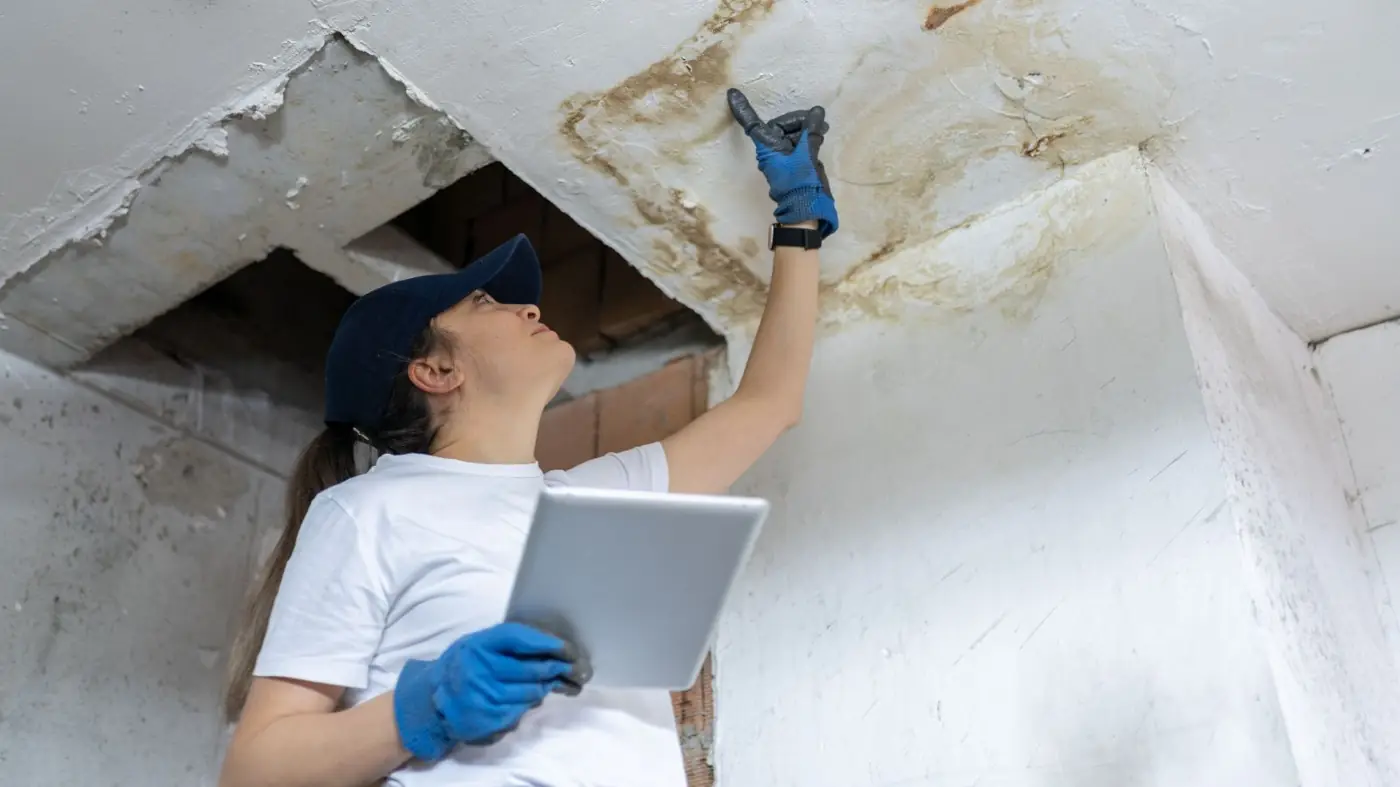
Why there is no real average payout
Any single average figure for a water damage claim blends together a dishwasher hose that wet one kitchen floor and a failed riser that soaked three stories. Those losses have almost nothing in common, so their average describes neither. A number from a website is not a number for your house.
What you can know are the levers. Each one changes the size of the work, and the work is what a claim is built around. Whether your policy pays for that work, and how much, is a question for your insurer, because it turns on your coverage, your deductible and your policy limits.
Need a written scope of the damage?
Call (949) 670-0939. Scope and price are explained before work starts.
Six factors that change the size of a claim
Read these as a checklist for your own loss. The more of them that apply, the bigger and slower the job tends to be.
Cause of loss
A sudden pipe failure and a long-running drip are read differently. Sudden and accidental damage is often covered, gradual leaks and neglect often are not, and flood usually needs its own policy.
Water category
Category 1 is clean supply water, Category 2 carries some contamination and Category 3 is grossly contaminated, such as sewage. Higher categories mean more removal, more cleaning and more protective work.
Area and materials
Soaked carpet pad is a different job from soaked hardwood, plaster or stone. The size of the wet area and how many assemblies sit under it set the amount of drying equipment.
Drying days
Air movers, LGR dehumidifiers and meter checks run until the materials reach their drying goal. Class 1 to 4 describes how much water the building absorbed and how hard it is to dry.
Rebuild scope
Drywall, insulation, flooring, cabinets, trim and paint come after drying. A wet wall opened for inspection often needs more than drying alone.
Your deductible and limits
Your declarations page lists them. Water damage limits and exclusions vary by policy, so read yours before assuming anything about how a claim lands.
Two leaks, two very different claims
The table puts the factors side by side for a small fast leak and a larger delayed one. It describes the work, not any dollar result.
| Factor | Small, caught quickly | Large or discovered late |
|---|---|---|
| Water category | Often Category 1 supply water | May have aged into Category 2 or 3 |
| Materials affected | Surface finishes and pad | Subfloor, insulation and wall cavities |
| Drying approach | A few days of air movers and dehumidifiers | Longer drying and selective removal |
| Rebuild | Patch, paint, replace flooring in one room | Multi-room rebuild, matched finishes |
| Coverage question | Likely sudden and accidental | Gradual-loss and neglect questions arise |
The last row is only a pattern. Check your policy and ask your insurer how it reads your loss.
Newport Beach note: valuable homes, older plumbing
Census QuickFacts for 2020 to 2024 puts the median owner-occupied home value in Newport Beach above 2 million dollars. At that level the finishes inside a house, such as stone, custom cabinetry and wide plank flooring, often drive the rebuild scope more than the water itself. Ask for the scope to list materials by type and grade, so replacement lines up with what was actually damaged.
The city's Housing Element says about 20 percent of homes were built before 1960 and another 41.3 percent between 1960 and 1979, and it notes housing over 30 years old typically needs some major rehabilitation. Older supply lines, drains and shutoff valves are common sources of leaks in homes of that age. Photograph the failed part and keep it, because the age and condition of the source can matter to your insurer.
Keep the restoration invoice and the claim separate in your head
A restoration company bills for the work it performs. Your insurer decides what your policy does about that work. Those are two conversations, and mixing them leads to bad surprises. We explain scope and price before work starts so you know the first number, then your insurer addresses its own side.
Ask the company to itemize extraction, equipment days, removal and cleaning separately from rebuild. A scope written that way, as in water damage repair work, makes it easier for an adjuster to compare line by line. A flood damage restoration job involving contaminated water will add cleaning and disposal lines, and flood is usually excluded from standard homeowners policies, so that coverage question comes up early.
Actions that keep a claim from growing
Stop the water and call for drying promptly, because wet drywall left alone turns a contained problem into a larger one. Photograph before cleanup and write down every damaged item. Keep receipts, and keep damaged goods until the adjuster says otherwise.
Documentation is the lever people forget. Dated photos, an item list with ages, moisture logs and scope notes let the adjuster see the same damage you see. Gaps in that record leave room for disagreement, and rebuilding the record weeks later from memory is hard.
Owners in Tustin and Irvine face the same levers. Before you accept any figure, ask what is included, what is excluded and what happens if hidden damage turns up once walls are opened.
Payout and claim size questions
What is the average water damage insurance payout?
There is no honest average, because losses range from one wet room to several flooded floors. Coverage, deductible, policy limits and the cause of loss decide what any claim looks like. Ask your insurer how your own policy applies.
Does a bigger home mean a bigger claim?
Not by itself. Wet area, materials, water category and drying time matter more than square footage. A large house with a small leak is a small job, and a modest unit with a Category 3 backup is not.
Will the insurer pay for hidden damage found later?
That is a question for your insurer and your policy. Ask the restoration company to record moisture readings behind walls and under floors up front, and report any newly found damage promptly.
Why does the water category matter so much?
Category 2 and 3 water carries contamination, so porous materials are usually removed rather than dried, and crews use more protective and cleaning steps. That adds scope, and the scope drives the claim.
Do high-value Newport Beach homes change how a claim is scoped?
Often, yes. With median owner-occupied values above 2 million dollars per Census QuickFacts, replacement of finishes like stone or custom millwork can outweigh the drying work. Ask for materials to be listed by type and grade in the scope.