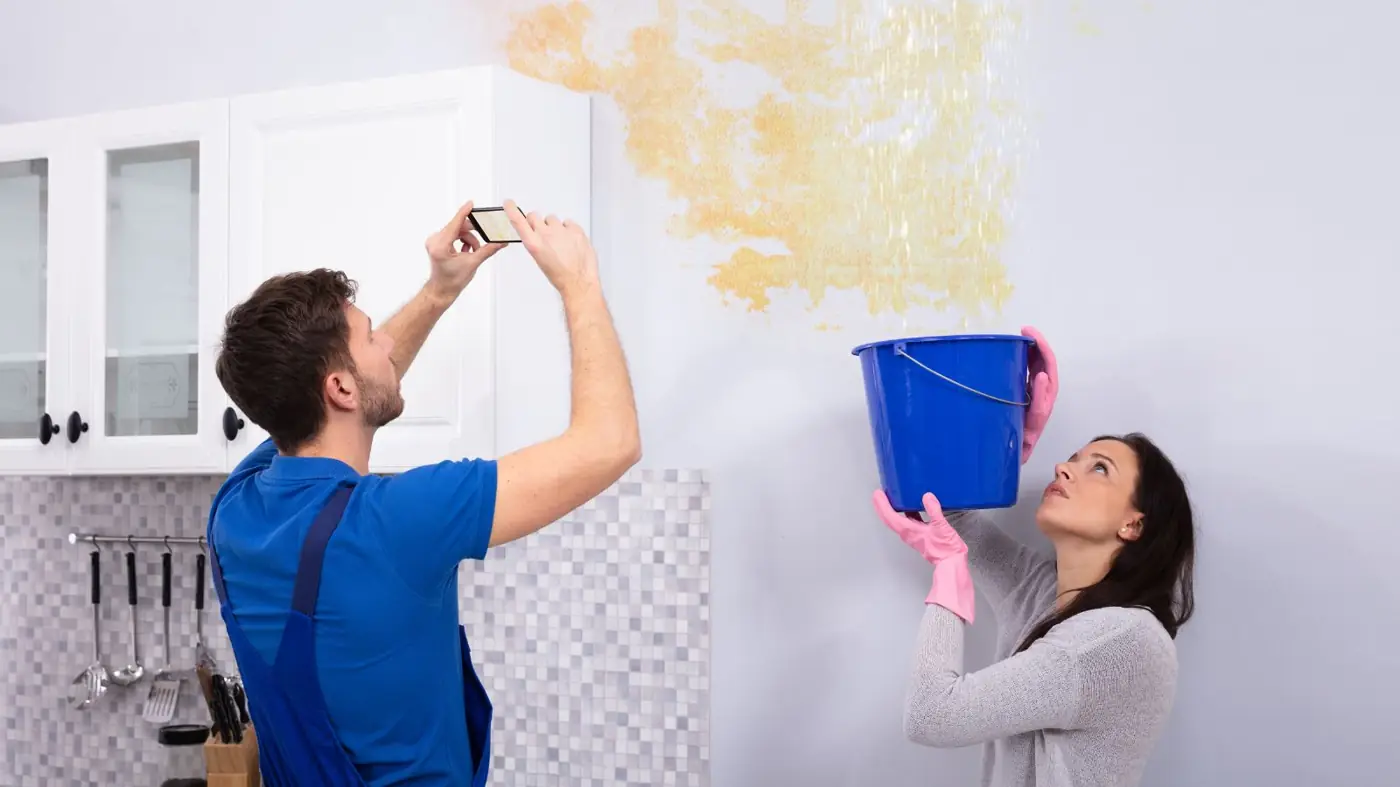
How a water damage claim usually unfolds
A claim is a conversation between you and your insurer, and the restoration company is a witness to what the water did. You make the claim. Your insurer decides what the policy covers. The crew on site dries the structure and writes down what it found.
Two things shape almost everything that follows. The first is the cause of the loss: a pipe that burst this morning is treated very differently from a drip that ran for months. The second is how quickly the damage is stopped from growing, because most policies expect you to protect the property from further harm.
Water still spreading?
Call (949) 670-0939. Dispatch is 24/7, with same-day response when available.
Sudden, gradual or flood: how the cause changes the claim
Find the row that matches what happened to you. These are general patterns, and your own policy wording decides the real answer.
| What happened | How policies often treat it | What to do first |
|---|---|---|
| Sudden and accidental: a supply line snaps, a water heater fails, an appliance hose bursts | Often covered, subject to your deductible, limits and exclusions | Shut off the water, photograph everything, call your insurer and a restoration company |
| Gradual: a slow drip under a sink, seepage behind a wall, a long-neglected leak | Often not covered, because wear and neglect are common exclusions | Fix the source, document the damage and ask your insurer how the policy reads |
| Flood: rising surface water, storm runoff, tidal water entering the home | Usually excluded from standard homeowners insurance and needs separate flood coverage | Stay out of contaminated water, document, then ask whether you hold a flood policy |
| Sewer or drain backup | Often limited or excluded unless an added endorsement exists | Keep people out, call a professional for Category 3 water and check your endorsements |
None of this is a coverage decision. Check your policy and ask your insurer, and keep notes of every conversation.
Four moves in the right order
People often reverse the order and call the insurer before stopping the water. The sequence below keeps the damage small and the record clean.
Stop the source
Close the shutoff valve, and turn off power to wet areas only if the panel is dry and safe to reach.
Document first
Photos and video before cleanup, plus a list of damaged items, so the record shows the water before anything moves.
Call your insurer
Report the loss, ask what they need and ask about your deductible and any exclusions that may apply.
Start mitigation
Call a crew to extract water and set drying equipment so the structure does not keep absorbing moisture.
Mitigation and repair are different jobs
Mitigation is the emergency phase. Crews extract standing water, remove materials that cannot be saved, and run air movers and LGR dehumidifiers while logging moisture readings with a meter. Our water mitigation work stops the damage from spreading, and it usually takes days of drying rather than hours.
Repair is the rebuild: new drywall, flooring, baseboards, paint. It comes after the structure tests dry. Insurers often review the two phases separately, so ask the restoration company to write the mitigation scope and the repair scope as separate documents.
This is why an estimate and a scope are not the same thing. An estimate attaches numbers to work. A scope describes the work itself: which rooms, which materials, which equipment and how long drying ran. A clear scope is what lets an adjuster, a contractor and you talk about the same damage.
Newport Beach note: flood is a separate policy
The California Department of Insurance states that standard homeowners insurance does not cover flood damage, and that flood coverage is a separate policy such as the federal National Flood Insurance Program. An NFIP policy generally takes effect 30 days after purchase. For a Newport Beach owner that means flood coverage is a decision to make before the water arrives, so check today whether you hold one.
If you have a question or a dispute with your insurer, the department's consumer help line is 1-800-927-4357. NFIP claims and policy questions go to 1-800-638-6620. Keep both numbers with your policy papers, and call them with your claim notes in hand.
What to keep from day one
Adjusters work from evidence. Keep the originals of everything, and keep damaged items until the adjuster says otherwise, even if they smell or look hopeless. Throwing out a soaked rug before it is photographed removes proof.
A restoration company supports the claim with moisture readings, thermal images and scope notes. Ask for copies. For rooms that need cleanup beyond drying, water damage cleanup records what was removed and why. Save every receipt for emergency supplies, hotel stays and equipment rentals, and ask your insurer which categories your policy recognizes.
- Dated photos and video of every affected room
- An item list with brand, age and approximate value
- Moisture logs and scope notes from the restoration company
- Receipts, names of people you spoke with and the dates of calls
When to ask your insurer, and what to ask
Ask early and ask in writing when you can. Useful questions are specific: does this loss count as sudden and accidental, what is my deductible, are there limits on water damage, who inspects, and what do you need from the restoration company?
Owners in Huntington Beach and Laguna Beach go through the same sequence. If an answer seems unclear or a disagreement stalls, that is the moment for the state help line rather than another unanswered voicemail.
Water damage insurance claim questions
Should I call my insurer before a restoration company?
Stop the source first, then do both. Reporting the loss and starting drying are not competing tasks, and waiting on one to do the other lets damage grow. Ask your insurer about any deadlines in your policy rather than assuming.
Is a burst pipe covered but a slow leak not?
That is the common pattern. Sudden and accidental damage is often covered, while gradual leaks and neglect often are not. Your policy wording and the facts of the loss decide, so check your policy and ask your insurer.
What is the difference between mitigation and repair?
Mitigation limits further damage: water extraction, removal of ruined materials, drying equipment and moisture monitoring. Repair rebuilds what was removed. They are separate phases and often separate scopes.
Do I need to keep the damaged carpet and furniture?
Photograph them first, then keep them until the adjuster says otherwise. If a health or safety concern means something must go, such as sewage-contaminated material, tell your insurer and document it before removal.
Does Newport Beach homeowners insurance cover flood damage?
Standard homeowners insurance does not cover flood, according to the California Department of Insurance. Flood needs a separate policy, and the federal program generally starts 30 days after purchase. Check your policy and ask your insurer or agent what you carry.
For disputes or general questions about your insurer, the department's consumer line is 1-800-927-4357.